WOLF Advanced Technology Achieves CMMC Level 2 Certification to Bolster Defense Supply Chain Security

As one of the first Canadian firms to reach this milestone, WOLF aligns with rigorous U.S. Department of Defense standards for protecting sensitive mission data. By Embedded Systems Engineering / 19 Nov 2025
Follow ESE

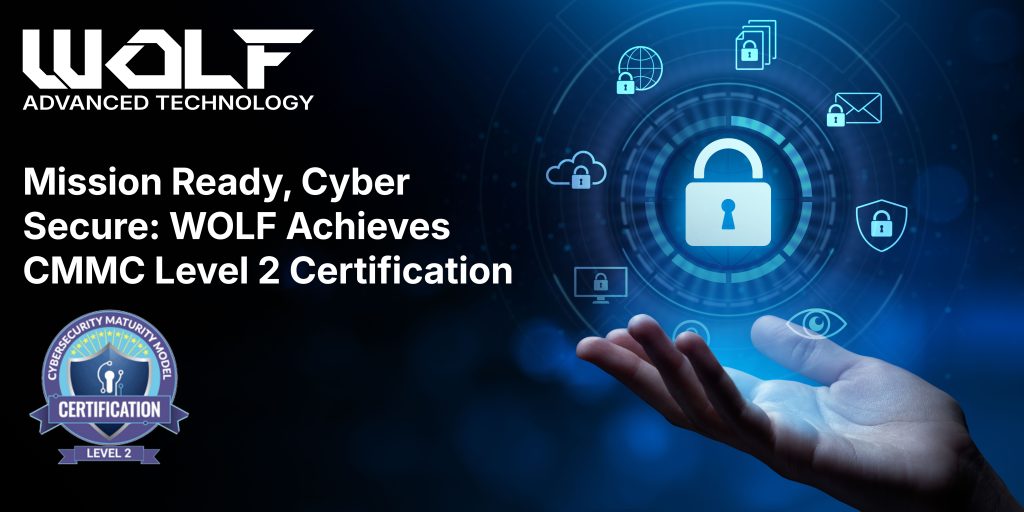
WOLF Advanced Technology has achieved Cybersecurity Maturity Model Certification (CMMC) Level 2, marking a significant milestone in the company’s efforts to secure sensitive information and provide trusted hardware solutions for the defense and aerospace sectors. This certification aligns the company’s operations with the U.S. Department of Defense’s (DoD) latest cybersecurity standards, specifically concerning the safeguarding of Controlled Unclassified Information (CUI).

The achievement positions the company as one of the first Canadian organizations to meet these specific requirements, addressing the increasing demand for cyber resilience within the global defense supply chain. This certification complements WOLF’s existing quality and security framework, which includes AS9100 certification for quality management and Joint Certification Program (JCP) approval for handling controlled defense information.

By securing CMMC Level 2, the company provides technical and industrial partners with validation that its internal systems and processes meet high-level security protocols. This disciplined approach is integrated across the lifecycle of their products, from initial concept and engineering through to production and long-term support.

“Achieving CMMC Level 2 is a major step in demonstrating how deeply cybersecurity is embedded in everything we do at WOLF,” said Utpal Patel, Vice President of IT & Cybersecurity. “It validates the trust our defense partners place in us and reinforces our commitment to protecting critical information and national security interests. By meeting these standards, we’re strengthening our own systems and helping build a more secure and resilient defense supply chain.”

The certification reflects a broader trend in the rugged computing and embedded systems industries toward proactive compliance with international security regulations. For customers operating in mission-critical environments, the certification serves as an assurance that the data and systems involved in the development of advanced technology are protected against evolving cyber threats.
Posted by Embedded Systems Engineering Connect

Latest Articles

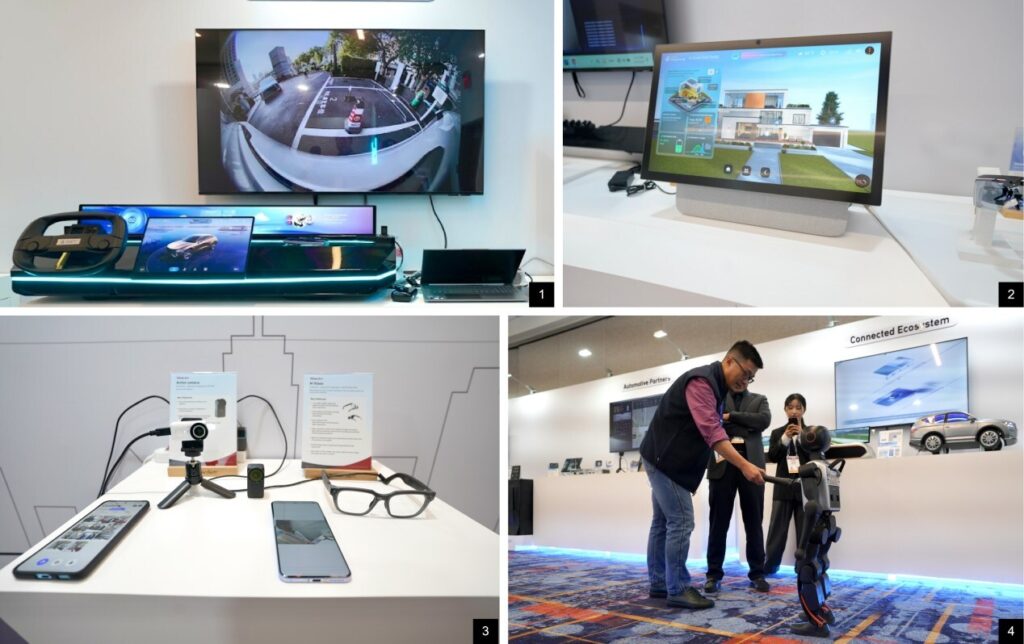
ThunderSoft Debuts AI-Native Operating System Architecture Across Automotive and Robotics Sectors

New AIOS platform integrates system-level artificial intelligence to bridge the gap between digital models and physical hardware execution.

Jan 12, 2026
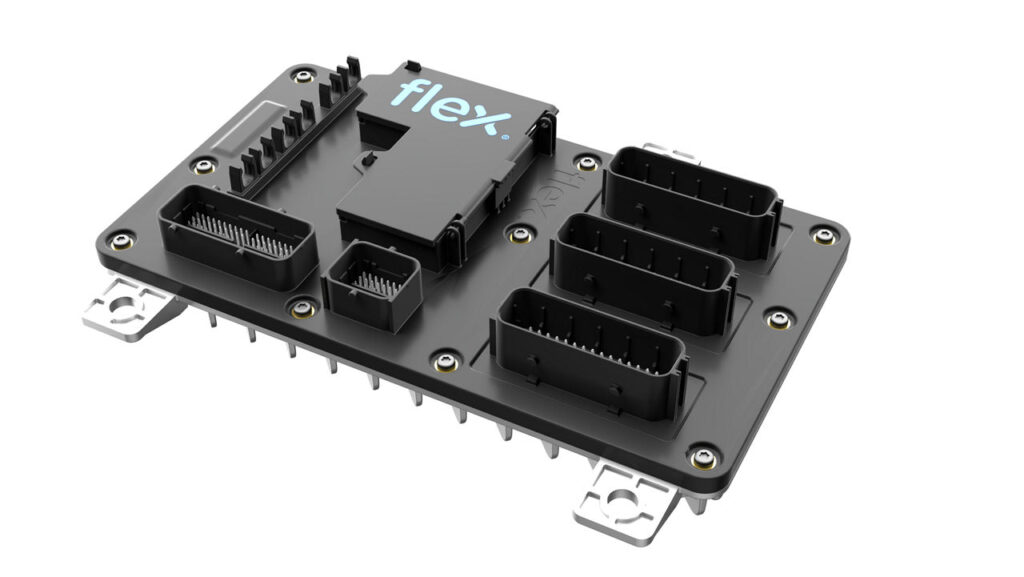
Modular Development Kit Streamlines Zone Controller Design for Software-Defined Vehicles

Infineon and Flex debut a scalable ZCU platform featuring 30 unique building blocks to accelerate automotive E/E architecture transitions.

Jan 07, 2026
TDK Advances Wearable Intelligence with Edge-Processing Motion Sensors

New SmartMotion IMUs offload computational tasks from the central processor to the sensor, enabling high-fidelity spatial audio and AR overlays with ultra-low power consumption.

Jan 07, 2026
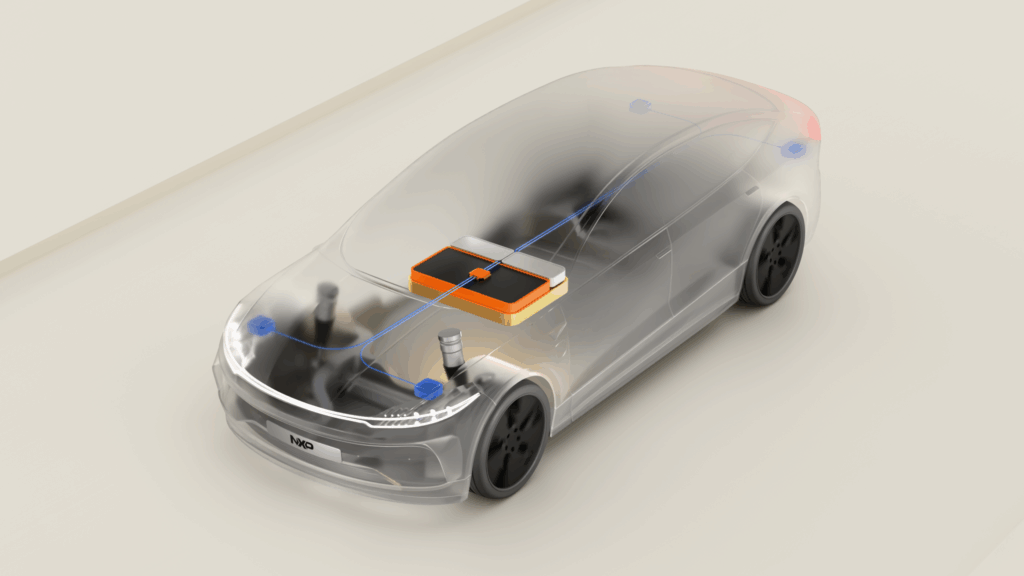
NXP Launches S32N7 Processor Series to Centralize Core Vehicle Functions

New 5 nm super-integration processors enable OEMs to consolidate propulsion, safety, and body domains into a single hub, reducing architecture complexity and costs.

Jan 05, 2026
High-Endurance NVMe BGA SSDs Gain Traction in Mission-Critical Programs

Greenliant’s NVMe NANDrive EX Series targets aerospace and industrial applications with ultra-high endurance and advanced security features.

Jan 04, 2026
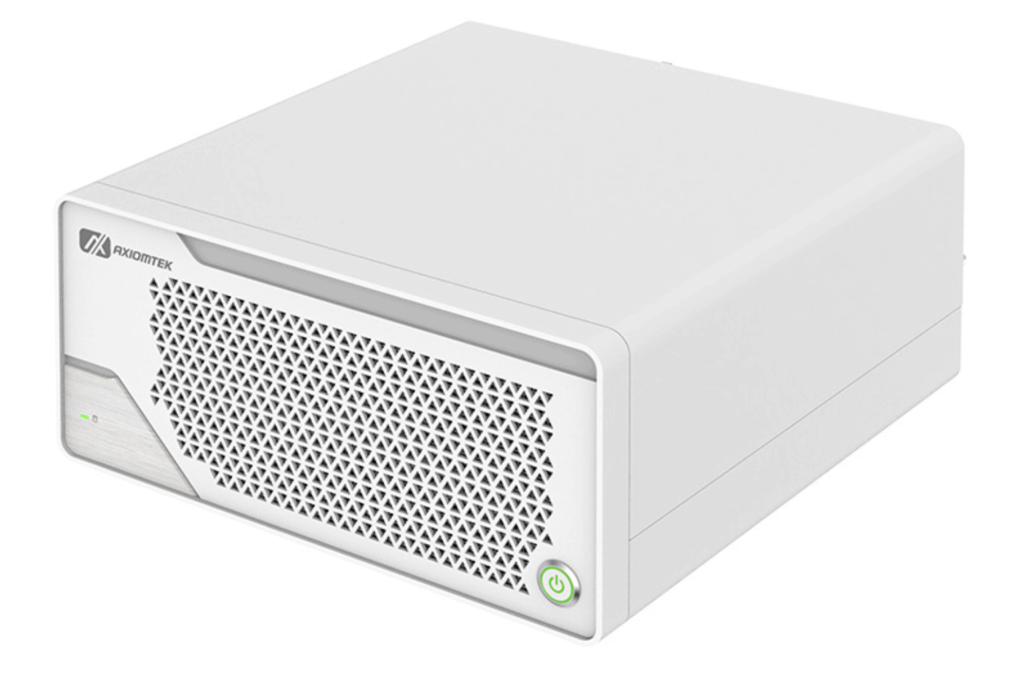
High-Performance Edge Platform Debuts to Accelerate AI-Driven Clinical Diagnostics

Axiomtek introduces a medical-grade computing system featuring 13th Gen Intel Core processing and dedicated GPU expansion for real-time imaging and surgical monitoring.

Jan 04, 2026

Featured Content

Voyant Photonics Unveils Fully Solid-State 4D FMCW LiDAR Platform

The new Helium family leverages silicon photonics to provide high-resolution depth and velocity sensing in an ultra-compact, software-defined package for autonomous systems.

Dec 18, 2025