
The Xen Project, an open-source hypervisor hosted at the Linux Foundation, has announced the release of Xen 4.21. This version marks a significant modernization milestone, updating toolchain requirements across all architectures and improving runtime performance for x86 and Arm-based devices. The release is specifically designed to support the evolving needs of the automotive and embedded sectors, as well as data center and cloud environments.
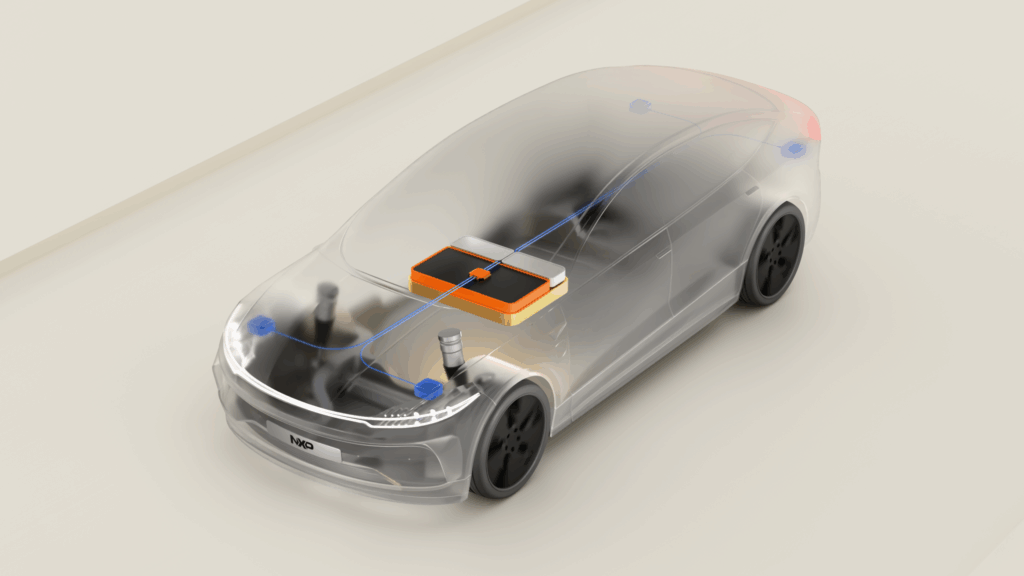
For embedded and automotive applications, Xen 4.21 advances the project’s progress toward functional-safety compliance. The release introduces stack protector enablement to improve hypervisor robustness and adds support for the Extended Shared Peripheral Interrupt (eSPI) range on SoCs with GICv3.1+. These updates are intended to improve compatibility with modern automotive systems, such as instrument clusters, infotainment, and driver-assistance systems. Work on MISRA-C compliance and the introduction of finer-grained Kconfig options are aimed at creating smaller, more safety-certifiable builds.
Additionally, Xen 4.21 moves closer to full functional-safety readiness for Arm architectures by adding progress toward Memory Protection Unit (MPU) support for Arm Cortex-R52 and Arm Cortex-R82 processors. It also introduces virtio-pci with parallel boot for dom0less systems, facilitating faster startup times for critical workloads.
The project is also expanding its architectural footprint with early RISC-V enablement. This release includes the addition of UART and external interrupt handling in hypervisor mode, establishing the foundation for future RISC-V guest virtualization and hardware support.
For data center environments, the update includes a new PDX compression algorithm to reduce the hypervisor memory footprint and a new AMD CPPC driver. This driver enables fine-grained CPU frequency control, aimed at improving performance per watt and scalability across multi-core servers. The release also supports resizable BARs for PVH dom0, allowing devices to expose larger memory regions for better I/O efficiency.
“Xen 4.21 shows that open source virtualization is anything but standing still,” said Cody Zuschlag, Community Manager for the Xen Project. “We’re modernizing the hypervisor from the inside out: updating toolchains, expanding architecture support, and delivering the performance that next-generation hardware deserves. It’s exciting to see Xen powering everything from next generation cloud servers to real-world automotive systems.”
Industry representatives have noted the impact of these updates on specific sectors. “This release shows how far the Xen community has come, and how aligned we are on building a hypervisor that’s both modern and resilient. The improvements led by safety-critical use cases raise the bar for everyone, including cloud and enterprise environments. At Vates, we’re fully committed to this shared vision of open, sustainable virtualization,” said Olivier Lambert, CEO, Vates.
“The Xen 4.21 release is another testament to the power of open-source innovation, bringing critical performance and stability improvements to modern cloud and data center workloads. Specifically, updates like the newly introduced page index compression algorithm and better memory cache attribute management translate into better performance, improved scalability for all our enterprise XenServer users. Citrix remains deeply committed to the Xen hypervisor community, ensuring these advancements translate into superior security and reliability for our enterprise XenServer users,” said Jose Augustin, Product Management, Citrix | XenServer.
“Virtualization is becoming central to how automotive and edge systems deliver safety, performance, and flexibility, reflecting a broader shift toward software-defined architectures that enable continuous innovation. By expanding support for Arm Cortex-R technology, the latest Xen 4.21 release will help advance more scalable, secure, and safety-critical deployments on Arm-based platforms,” said Andrew Wafaa, Senior Director, Software Communities, Arm.
“Xen 4.21 enhances automotive virtualization with architecture-independent parallel VM boot and continued MISRA-C compliance efforts. The new release simplifies configuration and validation of Xen-based PoCs for critical workloads such as infotainment and instrument cluster systems,” said Denis Mukhin, Staff Embedded Software Engineer, Ford Motor Company.
“The 4.21 release of Xen is a significant milestone for the community, delivering multiple enhancements for Automotive industry adoption. With changes ranging from functional safety compliance improvements to power management and PCI support on Arm, Xen has become a true enabler of mixed-criticality support for in-vehicle High-Performance Compute. We at EPAM believe this release will serve as a solid foundation for kicking off automotive product integration based on the Xen Project,” said Artem Mygaiev, Technology Solutions Director, EPAM.
The Xen Project continues to be supported by industry members including AMD, Arm, AWS, EPAM, Ford, Honda, Renesas, Vates, and XenServer.