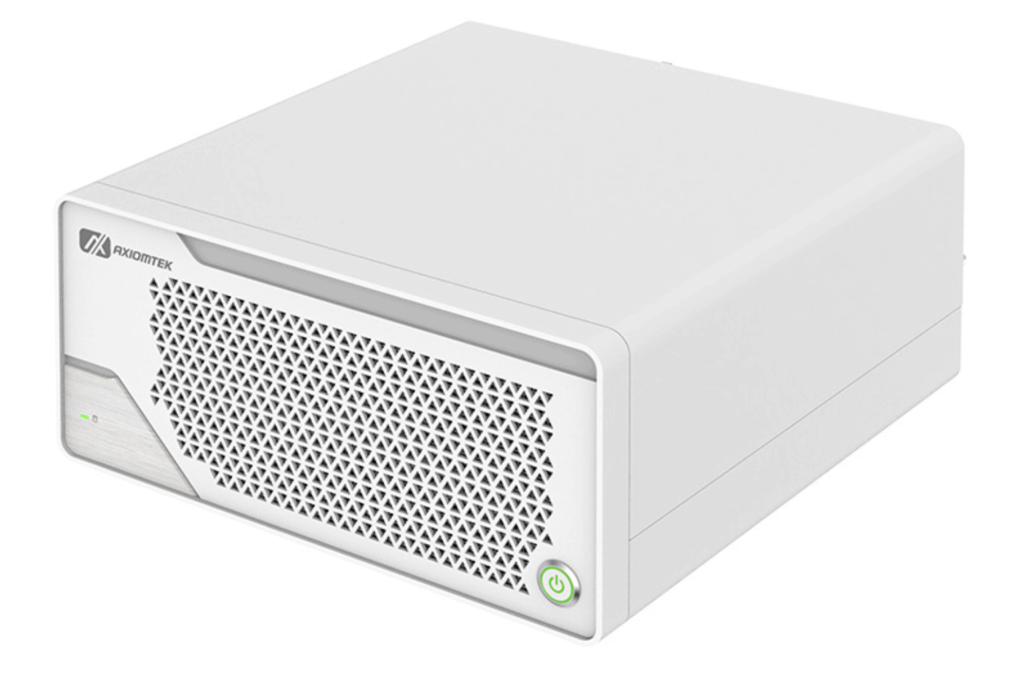

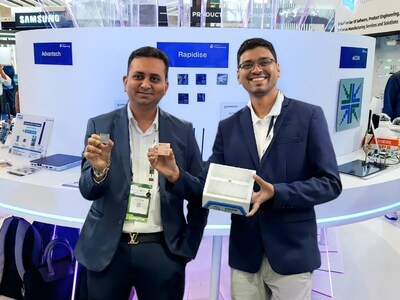
Rapidise, an Original Design Manufacturer (ODM) specializing in vision systems and edge computing, has introduced its RISE Modules and Edge AI Box portfolio. Designed to streamline the development of smarter, connected devices, the modular system is built upon Qualcomm’s System-on-Chip (SoC) platforms to provide a scalable foundation for original equipment manufacturers and system integrators.
The RISE module architecture features a pin-to-pin upgradable design, allowing for seamless performance transitions ranging from 3.5 TOPS to 12 TOPS. This approach is intended to ensure long-term lifecycle sustainability of over ten years while reducing the total cost of ownership for complex systems. The hardware engineering IPs supporting these modules span various reference-design-ready platforms, including AI-enabled cameras, dash cameras, and IP cameras.
The product portfolio utilizes the Qualcomm QCS 6125, SM 6225, QCS 5430, QCS 6490, and QCS 8550 series. By utilizing these pre-validated reference designs, developers can reduce design friction and accelerate the transition from prototyping to full-scale production.
“With Rapidise, we are redefining how modular innovation drives value in the connected ecosystem. Our goal is to empower OEMs to innovate faster and scale smarter, without reinventing their hardware foundations,” said Brijesh Kamani, CEO & MD of Rapidise.
Ashish Chinthal, CBO of Rapidise, added: “Our ‘Made-in-India’ RISE portfolio is engineered to unlock the power of Qualcomm’s advanced SoCs, enabling white-label-ready Vision AI solutions that support rapid market expansion and sustainable product growth.”
The technology is positioned to support a variety of ecosystems, including security, automotive, and Industry 4.0. The “RISE X, Y, and Z” series are specifically engineered to balance high performance with energy efficiency, targeting the requirements of intelligent edge devices.
“By engineering the RISE X, Y, and Z series on Qualcomm’s high-performance platforms, we’ve built a versatile foundation for AI-driven products that blend performance with energy efficiency—future-proofed for the next decade of intelligent devices,” stated Sheshadri Joshi, VP of Hardware Engineering at Rapidise.
Manmeet Singh, Senior Director & India Business Head – Automotive, Connectivity, Broadband & IoT at Qualcomm India, commented: “Qualcomm is proud to collaborate with Rapidise in powering their module platforms and product solutions with our advanced SoC technologies. This partnership reflects our shared commitment to accelerating intelligent-edge innovation and enabling scalable, AI-driven solutions for OEMs across industries. It underscores Qualcomm’s dedication to fostering cutting-edge design and engineering excellence in India.”
Rapidise operates a global R&D and production team of over 700 specialists, providing end-to-end services from initial design and certification to manufacturing and lifecycle support for embedded software, AI, and electronics.